Understanding the Appeal of Garden Play Houses
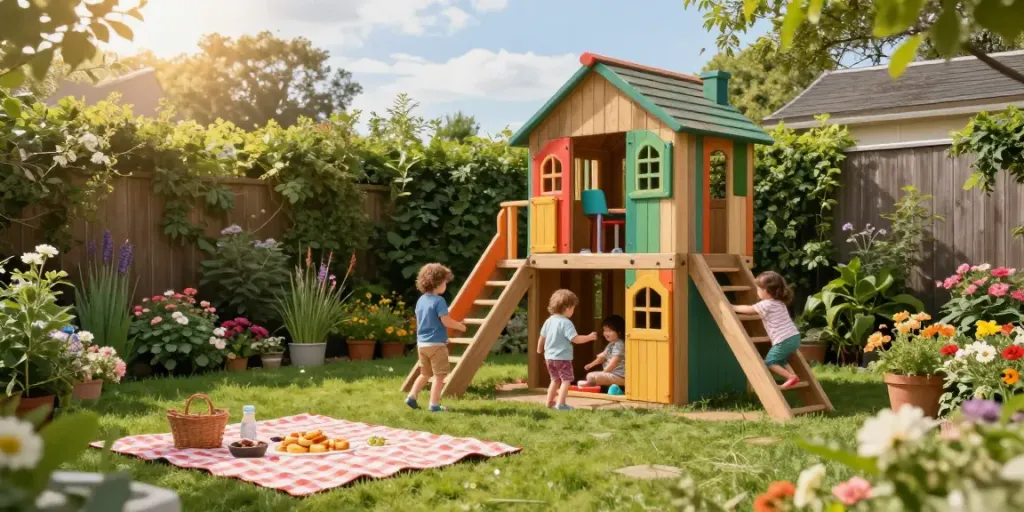
Garden play houses have become an essential addition to outdoor living spaces, offering children a sanctuary for imaginative play and exploration. As parents increasingly seek ways to enhance their children's outdoor experiences, these structures provide an excellent opportunity for creative engagement outside the confines of a home. Garden play houses encourage social interaction, promote physical activity, and help develop essential skills through play.
What Makes Garden Play Houses Popular Among Parents?
One of the primary reasons garden play houses have surged in popularity is their versatility. Parents appreciate that they serve as both a play area and a decorative element in the garden. These structures can be customised to fit various themes, complementing the existing aesthetics of a home or garden. Moreover, they offer children a personal space where they can unleash their creativity, role-play different scenarios, and develop social skills.
Benefits of Outdoor Play for Children's Development
Outdoor play is crucial for children’s overall development, providing numerous physical, emotional, and social benefits. Engaging in outdoor activities contributes to improved motor skills, coordination, and physical fitness. Furthermore, it fosters emotional resilience, as children learn to navigate challenges and engage with peers in diverse settings. Studies have shown that outdoor play also enhances cognitive development through imaginative scenarios and problem-solving situations, making it a vital component of childhood growth.
Selecting the Best Materials for Outdoor Play Houses
When choosing a garden play house, the material is a significant consideration that affects durability, maintenance, and safety. Each option presents its benefits and drawbacks, making it essential for parents to make an informed decision based on their specific needs and constraints.
Comparing Wooden, Plastic, and Metal Options
Wooden play houses are often favoured for their natural appearance and sturdiness. They blend seamlessly into garden settings but may require regular maintenance to prevent decay. Plastic play houses, on the other hand, are lightweight, easy to clean, and resistant to weather conditions, making them an excellent choice for busy families. Metal structures can offer a modern look and superior durability but may be susceptible to rust and require more protective coatings. Ultimately, the choice depends on factors such as aesthetic preference, budget, and maintenance willingness.
Durability and Maintenance Considerations
Durability is pivotal when investing in garden play houses, as children's play can be vigorous and relentless. Wooden houses typically demand annual treatments to protect against rot and pests. Conversely, plastic options often require minimal upkeep beyond simple cleaning. Understanding how each material fares against local weather conditions can significantly impact the longevity of the play structure.
Safety Standards and Regulations for Child Play Equipment
Safety is paramount when it comes to children's play equipment. In the UK, playhouses must comply with specific safety standards, including proper material usage and structural integrity. Parents should ensure that any garden play house meets the necessary regulations to prevent injuries during play. Regular inspections and maintenance can also help uphold safety standards, ensuring that play remains without incident.
Design Ideas for Your Garden Play House
Designing a garden play house offers an opportunity for creativity and personalization. Making thoughtful choices when decorating and equipping the playhouse can significantly enhance the play experience for children.
Incorporating Themes and Customisation Options
From fairy tale cottages to futuristic spaceships, themed play houses can awaken children’s imaginations and provide a unique play atmosphere. Parents can engage in the design process by allowing children to choose their preferred themes and colour schemes, fostering ownership and attachment to their play space. Custom elements, such as personalised name signs and unique decor, can also enhance the individuality of the playhouse.
Integrating Nature: Surrounding Your Play House with Fun
Creating a harmonious environment around the play house can elevate children’s play experiences. Consider incorporating natural elements such as plants, flowers, and even small pathways leading to the playhouse. Adding outdoor games, sandpits, or water play stations can create a lively area that encourages exploration and social interactions among children.
Creating Interactive Features: Slides, Climbing Walls, and More
Interactive features, such as slides, climbing walls, or even built-in benches, can significantly enhance the play experience. These additions not only provide physical challenges but also encourage cooperative play among children. Parents should consider incorporating features that cater to various age groups, ensuring that the play area remains engaging as children grow.
Installation Tips and Best Practices
The installation of a garden play house requires careful planning and execution to ensure safety and durability. Parents should take the time to prepare adequately, considering both location and ground preparation before installation.
Preparing the Ground and Choosing the Right Location
Selecting an appropriate location for the play house is critical. Ideally, the area should be flat and free from obstructions such as trees or large rocks. Preparing the ground with a level surface can prevent issues associated with instability or erosion. Parents might also consider placing the play house in a shaded area to protect children from excessive sun exposure during play.
DIY vs. Professional Installation: What to Consider?
Deciding between a DIY installation or hiring professionals can depend on several factors, including skill level, time constraints, and complexity of the play house. While DIY projects can save money, they may require significant time and effort to ensure proper assembly. Conversely, professional installers can offer expertise and efficiency, ensuring that the structure meets safety standards and is installed correctly.
Ensuring Safety During and After Setup
Safety should be top of mind throughout the installation process. Parents must follow all manufacturer guidelines and ensure that the play house is anchored securely to prevent tipping or movement during play. Post-installation, regular maintenance checks should be conducted to identify and fix potential hazards, such as sharp edges or loose fittings.
Future Trends in Garden Play Houses for 2026
The evolution of garden play houses is on a trajectory towards greater innovation and sustainability, reflecting changing societal values and the needs of modern families. Understanding these trends can help parents make informed purchasing decisions.
Innovative Features to Look Out For
As technology intertwines more with children’s play, expect to see play houses equipped with interactive features, such as augmented reality and integrated sound systems. These can transform a simple play experience into a multimedia adventure, captivating children's imaginations further.
Sustainable Materials and Eco-Friendly Options
An increasing awareness of environmental impact has led many manufacturers to adopt sustainable practices. Eco-friendly materials, such as reclaimed wood and non-toxic finishes, are becoming more common in the manufacturing of garden play houses. Choosing these options not only supports sustainable practices but also ensures a safer environment for children.
Adapting to Changing Play Styles and Needs
As children’s play preferences evolve, so too must the designs of outdoor playhouses. More flexible and modular designs allow for alterations and expansions, catering to the varying needs of children as they grow. This adaptability ensures prolonged use and can promote shared play experiences among different age groups.
The Rise of Modular and Expandable Play Structures
Modular play structures are gaining traction, allowing parents to expand or modify their children’s playhouses as desired. These can include interconnecting units or add-ons that keep play fresh and engaging. This approach not only responds to the developmental changes of a child but also maximises the playhouse's longevity and relevance.
What age is best for an outdoor playhouse?
The age appropriateness for a playhouse largely depends on its design and features. Generally, children aged 2 to 10 find significant benefit from outdoor playhouses, as they offer a space for imaginative play and physical activity. Playhouses designed for younger children often emphasise safety and simplicity, while those for older children may incorporate more complex features for enhanced engagement.
Is it cheaper to build your own playhouse?
Building your own playhouse can indeed be more cost-effective, depending on materials and design. However, it often requires a considerable time investment and a good level of DIY skill. Parents must weigh the savings against the effort and potential costs related to tools, materials, and the need for safety compliance.
What is the best outdoor playhouse?
The best outdoor playhouse varies by individual preferences and needs. Popular options often include brands renowned for quality and safety, such as Step2 and KidKraft. Parents should consider factors like materials, size, features, and safety ratings when determining the best fit for their children.
How much are Lilliput play homes?
Lilliput Play Homes typically range in price, with basic models starting at a few hundred pounds and more elaborate structures costing significantly more. The investment reflects the quality of materials, craftsmanship, and unique design elements that cater to children's imaginative play.
What accessories can enhance the play experience?
Accessories such as outdoor furniture, play kitchen sets, and interactive panels can greatly enhance the play experience offered by a garden play house. Incorporating fun elements, like chalkboards or flower pots for planting, can provide additional avenues for learning and creativity.