Understanding Slot Techniques in Pizza Making
Pizza making is an art that combines science, creativity, and skill. One crucial aspect that often goes unnoticed is the concept of a "slot" in pizza preparation. A slot can significantly influence the overall quality and texture of your pizza, ensuring that every bite offers an ideal balance of flavors and textures. In this article, we will delve into the intricacies of slot techniques, exploring their importance and how to master them for creating the perfect pizza. When exploring options, slot details can provide comprehensive insights into making your pizza experience even more delightful.
What is a Slot in Pizza Preparation?
A slot in the context of pizza preparation refers to the intentional placement and arrangement of toppings and ingredients on the dough. This technique helps maintain structural integrity while allowing heat to circulate evenly during cooking. By understanding the concept of slots, pizza makers can create a visually appealing and perfectly cooked product.
The Importance of Slot Techniques for Pizza Quality
Slot techniques serve multiple purposes in pizza making. Primarily, they contribute to even cooking by allowing heat to reach all parts of the pizza uniformly. This means that every slice will have the same level of doneness and flavor, enhancing the overall dining experience. Additionally, proper slotting prevents the crust from becoming soggy, as it facilitates moisture release during the cooking process.
Common Mistakes in Slot Techniques
There are several common pitfalls that pizza makers encounter regarding slot techniques. One frequent mistake is overcrowding the toppings, which can lead to uneven cooking and an unsatisfactory texture. Another error is neglecting the distribution of sauce, which can result in soggy areas or dry patches on the pizza. Understanding these mistakes and avoiding them is crucial for achieving pizza perfection.
Essential Ingredients for the Perfect Pizza Slot
Choosing the Right Dough for Optimal Slots
The foundation of any great pizza is its dough. When selecting dough for optimal slots, consider its hydration level, gluten content, and fermentation time. High-hydration doughs typically create a lighter, airier crust that can better accommodate strategic slot placement. Additionally, using dough that has fermented for an extended period enhances flavor and texture, allowing for a more pleasant eating experience.
Best Toppings That Fit Within the Slot
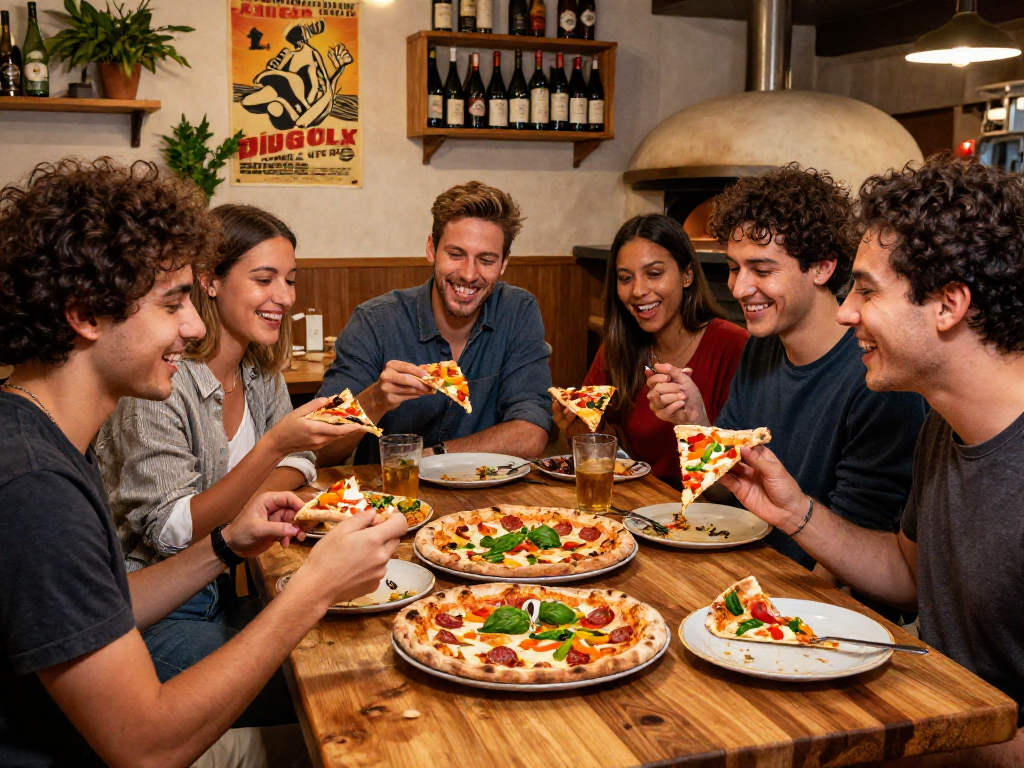
Choosing the right toppings is essential for effective slot placement. Ingredients should be compatible in terms of cooking time and moisture content. For instance, toppings like fresh basil or arugula are best added after baking, while heartier ingredients such as mushrooms and bell peppers should go on the pizza before it enters the oven. Balancing these aspects ensures even cooking and risk minimization of sogginess.
How to Select Quality Ingredients for Maximum Flavor
Quality ingredients can make or break a pizza. When selecting items for your slots, opt for fresh, high-quality produce, artisanal cheeses, and robust sauces. Local or seasonal ingredients not only enhance flavor but also contribute to sustainability. Selecting quality ingredients ensures that the flavors meld perfectly in the oven, resulting in a pizza that delights the senses.
Mastering the Art of Slot Placement
Strategic Topping Placement for Better Cooking
Strategic placement of toppings can significantly impact cooking efficiency. For example, heavier toppings should be placed towards the center of the pizza, while lighter ingredients can be spread toward the edges. This distribution allows for better heat conduction and ensures that every portion of your pizza is cooked thoroughly.
How Slot Size Affects Cooking Time and Texture
The size of the slots created during the topping arrangement has a direct correlation with cooking time and texture. Smaller slots may lead to a quicker cooking time but can result in a less cohesive pizza, while larger slots may take longer to cook, leading to a contrasting texture. Finding the right balance is key to achieving a pizza that is both delicious and visually appealing.
Tips for Even Heat Distribution in the Oven
To ensure even heat distribution in the oven, preheat adequately and consider using a pizza stone or steel. These tools help retain and distribute heat evenly across the surface, allowing the pizza to cook uniformly. Additionally, rotating the pizza halfway through baking can prevent uneven hot spots, resulting in a perfectly cooked final product.
Common Challenges with Slot Techniques
Handling Dough to Prevent Slot Issues
Handling dough correctly is critical to avoiding common slot issues. Overworking the dough can lead to a tough crust, while under-kneading can result in a weak structure. Allow the dough to rest and rise properly before shaping, ensuring it maintains elasticity and strength for successful slot placement.
Overcoming Cooking Challenges for Perfect Slots
Cooking challenges can arise despite the best techniques. If you notice that certain areas of your pizza are cooking faster than others, consider adjusting the oven temperature or moving the pizza to a different rack. These small tweaks can help you achieve the ideal cooking environment for your slots.
Adjusting Techniques Based on Equipment
Different ovens and cooking equipment require adjustments in your slot techniques. For instance, wood-fired ovens necessitate different arrangements compared to gas or electric ovens due to variations in heat intensity. Understanding your equipment's capabilities allows for more informed decisions regarding slot sizes and placements, thereby improving your final product.
Future of Slot Techniques in Pizza Making
Emerging Trends in Pizza Preparation Techniques
Pizza making is evolving, with new trends emerging that focus on health and sustainability. Techniques such as sourdough fermentation and using whole grain flours are becoming popular, encouraging pizza makers to explore different textures and flavors while maintaining the integrity of their slots.
How Technology is Changing Slot Practices
Technology is also playing a significant role in the future of pizza making. Smart ovens equipped with precision temperature control ensure even cooking, allowing pizza makers to focus on perfecting their slot techniques. Additionally, apps that provide real-time feedback on cooking times and temperatures can help improve consistency and quality.
Predictions for Pizza Innovations by 2026
By 2026, we can expect to see even more innovation in pizza-making techniques, particularly regarding slot methodologies. Advances in culinary technology, such as 3D food printing, might allow for new creative possibilities in topping arrangements and retention of flavors. These innovations will undoubtedly enhance the way we perceive pizza and its preparation.
What are the best toppings for a pizza slot?
Some of the best toppings for a pizza slot include roasted vegetables, caramelized onions, and high-quality cheeses. These ingredients not only cook well together but also complement each other in flavor and texture, making for a balanced and enjoyable pizza.
Why is slot placement important in cooking?
Slot placement is critical in cooking because it facilitates even heat distribution, prevents sogginess, and enhances flavor integration among toppings, ultimately contributing to the quality of the finished pizza.
How can I avoid common slot mistakes?
Avoid common slot mistakes by planning your topping arrangement, ensuring even distribution, and being mindful of cooking times and ingredient moisture. This attentive approach will lead to a better overall pizza.
What dough is best for creating slots?
High-hydration dough is often regarded as the best for creating slots due to its elasticity and ability to rise well. This type of dough allows for better heat absorption and creates a delightful texture.
How do I adjust my technique for different ovens?
To adjust your technique for different ovens, consider the heat output and cooking duration. Experiment with temperature settings and cooking times, and always keep an eye on your pizza's doneness to ensure optimal results.