Understanding Indoor Agriculture and Its Benefits
Indoor agriculture is a rapidly growing sector that leverages technology, innovation, and design to optimize plant growth in controlled environments. This approach not only addresses the increasing demand for food production but also provides solutions to the challenges associated with traditional farming, such as climate variability, land scarcity, and resource management. By creating sophisticated grow spaces tailored for various crops, facilities like cika4d link offer comprehensive insights into how indoor farming can contribute to a sustainable future.
What Is Indoor Agriculture?
Indoor agriculture refers to the practice of cultivating plants in controlled environments, typically within structures such as greenhouses, warehouses, or purpose-built grow rooms. Utilizing various techniques such as hydroponics, aeroponics, and vertical farming, this innovative method allows for year-round production regardless of external weather conditions. The integration of artificial lighting, climate controls, and nutrient management systems enables growers to create optimal conditions for plant growth, significantly increasing yield and quality while minimizing environmental impacts.
Benefits of Indoor Farming Solutions
The advantages of indoor agriculture are manifold:
- Maximized Space Utilization: Vertical farming techniques allow for the cultivation of crops in limited spaces, making it possible to grow significantly more produce within a smaller footprint.
- Resource Efficiency: Indoor farming can reduce water usage by up to 90% compared to traditional farming methods, thanks to recirculation systems and efficient irrigation techniques.
- Consistent Crop Quality: Controlled environments reduce the risks of pests and diseases, resulting in higher quality produce that meets market demands.
- Reduced Transportation Costs: Proximity to urban centers allows for fresher produce to reach consumers faster, reducing the carbon footprint associated with transportation.
How Technology Enhances Growth Efficiency
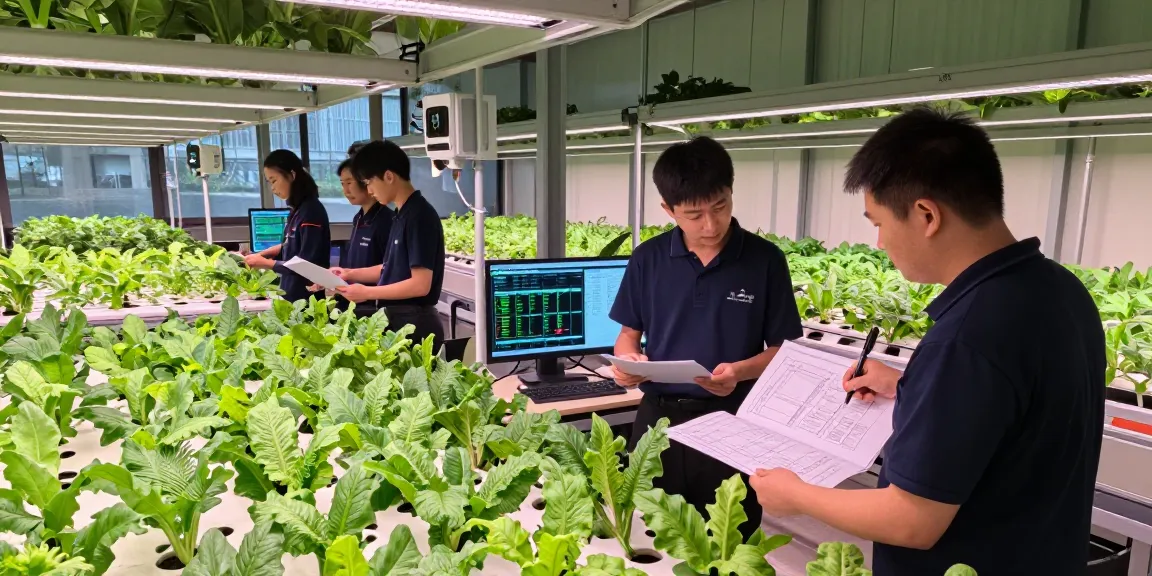
Technological advancements play a pivotal role in enhancing the efficiency of indoor agriculture. The use of sensors, automation, and data analytics enables growers to monitor and manage various parameters such as temperature, humidity, and nutrient levels in real-time. These innovations not only help in optimizing plant health and productivity but also in reducing operational costs. Furthermore, integrating systems like artificial intelligence can predict growth patterns and help in making data-driven decisions that enhance overall yield.
Challenges in Indoor Agriculture
While indoor agriculture presents numerous benefits, it is not without its challenges. Understanding these obstacles is crucial for successful implementation and long-term sustainability.
Common Obstacles in Facility Design
Designing an efficient indoor agriculture facility requires careful planning and consideration of several factors:
- Space Constraints: Designing a facility that maximizes space while ensuring optimal airflow, light distribution, and access for maintenance can be complex.
- Initial Investment: The upfront costs for technology, infrastructure, and equipment can be significant, deterring potential stakeholders in the industry.
- Scaling Operations: Transitioning from small-scale operations to larger facilities involves logistical and technical challenges that must be addressed methodically.
Addressing Climate Control Issues
Climate control is a top priority in indoor agriculture. Implementing effective ventilation, heating, and cooling systems is essential to maintain optimal growing conditions. Strategies such as using advanced HVAC systems and monitoring air quality with sensors can help mitigate fluctuations in temperature and humidity, ensuring healthy plant growth throughout different seasons.
Mitigating Energy Consumption
Energy consumption is another critical challenge, as indoor agriculture systems require a significant amount of electricity for lighting, climate control, and irrigation. Innovative approaches such as using energy-efficient LED lighting, solar panels, and energy recovery systems can greatly reduce energy costs. Additionally, employing energy management systems allows facilities to monitor usage and adjust operations for optimal efficiency.
Best Practices for Designing Indoor Facilities
To maximize the effectiveness of indoor agriculture projects, it’s important to follow best practices that enhance both productivity and sustainability.
Key Elements of Efficient Grow Room Design
Designing an efficient grow room requires an understanding of spatial dynamics and plant needs:
- Lighting: Utilize full-spectrum LED lights that provide the necessary wavelengths for photosynthesis while minimizing heat output.
- Plant Layout: Arrange plants to optimize light exposure and airflow, using vertical stacking or tiered shelving where possible.
- Modular Design: Consider flexible layouts that can be adjusted as crop requirements change or new technologies emerge.
Utilizing Technology for Sustainable Practices
Incorporating technology into indoor farming practices can boost sustainability:
- Automated Irrigation: Implement drip irrigation and moisture sensors to minimize water waste while ensuring optimal soil moisture levels.
- Integrated Pest Management: Employ biological pest control methods alongside technology to manage pests sustainably without chemical interventions.
- Crop Rotation and Diversity: Utilize a variety of plants in cultivation to promote biodiversity and soil health, even in hydroponic systems.
Integrating Automation and Smart Systems
Automation can greatly enhance operational efficiency in indoor agriculture:
- Smart Sensors: Use sensors to monitor environmental variables and integrate them into a centralized management system for real-time analysis.
- Automated Nutrient Delivery: Systems that automatically deliver nutrients based on plant needs can streamline processes and ensure optimal growth.
- Remote Monitoring: Employ mobile applications to remotely monitor and control facility systems, enabling real-time adjustments and interventions.
Case Studies: Successful Indoor Agriculture Projects
Examining successful indoor agriculture projects can provide valuable insights and inspire future initiatives.
Innovative Solutions in Urban Farming
Urban farming initiatives have successfully integrated indoor agriculture into metropolitan areas, utilizing vacant buildings and rooftops for food production. These projects not only enhance food security in cities but also reduce transportation emissions. An example of this is in Singapore, where farms are being established in high-rise buildings, contributing significantly to the local supply of fresh produce.
Examples of Productive Hydroponic Systems
Hydroponic systems have revolutionized crop production, allowing for efficient use of water and nutrients. Facilities utilizing hydroponics in controlled environments have reported yields significantly higher than traditional soil-based farming. One notable example is a hydroponic farm in California that produces over 30,000 pounds of leafy greens per month while using 90% less water.
How CIKA4D Transformed Agribusiness Operations
CIKA4D has been pivotal in transforming agribusiness operations by providing tailored design solutions for indoor farming facilities. Their comprehensive approach considers all aspects of facility design, from layout to technology integration, resulting in enhanced productivity and sustainability. Their collaborations with local farmers have led to optimized operations that meet both market demands and environmental standards.
Looking Ahead: Trends for 2026 and Beyond
The future of indoor agriculture is promising, with several trends expected to shape the industry in the coming years.
Future Technologies in Indoor Agriculture
Innovations in technology are set to transform indoor agriculture further:
- Advanced Robotics: The use of robotics for planting, harvesting, and maintenance tasks will streamline operations and reduce labor costs.
- Artificial Intelligence: AI will play a critical role in analyzing data and predicting crop health, leading to more informed decision-making.
- Blockchain Technology: Blockchain will enhance traceability in the supply chain, ensuring food safety and quality from farm to table.
The Shift Towards Sustainability and Eco-friendliness
As consumers become more environmentally conscious, the shift toward sustainability in agriculture will continue. Indoor farming operations will need to adopt eco-friendly practices, such as utilizing renewable energy sources and minimizing waste. This transition is not only beneficial for the environment but also aligns with consumer preferences, which increasingly favor sustainable products.
Predictions for the Indoor Farming Market
The indoor farming market is expected to grow exponentially by 2026, driven by technological advancements and a rising demand for fresh produce. Innovations in facility design and crop management will continue to provide competitive advantages to indoor farming operations.
What Are the Main Challenges Going Forward?
Despite optimistic forecasts, the indoor agriculture sector will face challenges, including:
- Regulatory Constraints: Navigating local and international regulations can be a significant hurdle for indoor farming operations, affecting market entry and expansion.
- Cultural Acceptance: Gaining consumer trust in products grown indoors remains a challenge; education about the benefits of indoor farming will be essential.
- Investment Risks: As the industry grows, securing funding for new technologies and facilities will be critical, requiring confidence from investors.
In conclusion, indoor agriculture represents a vital component in addressing global food security challenges. By harnessing innovative technologies and best practices, companies like CIKA4D and DAG facilities are leading the way in creating sustainable, efficient, and productive agricultural practices that will shape the future of food production.